
Bridging the Gap in Your Smile
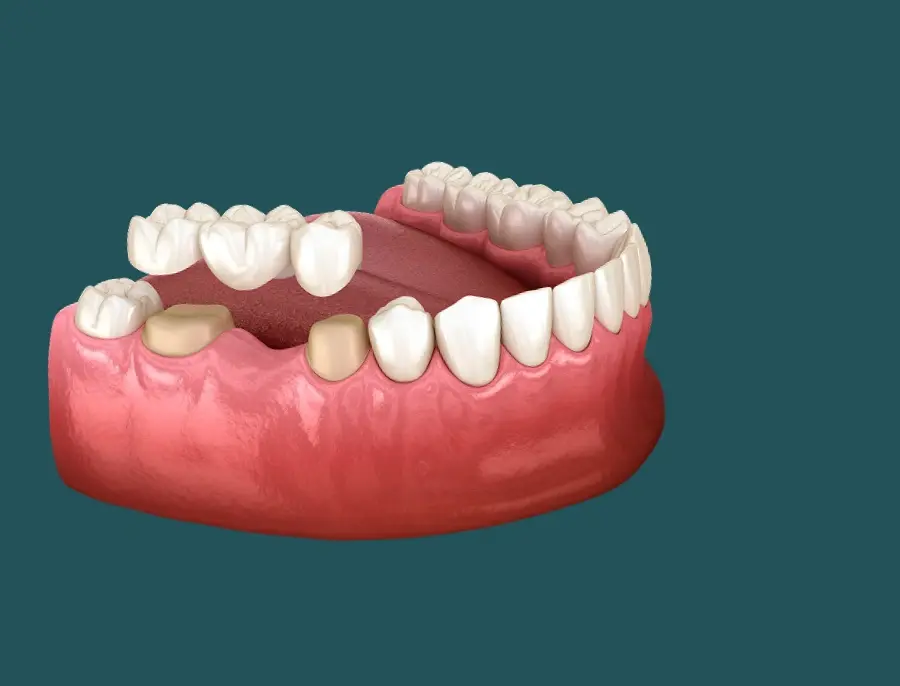
A missing tooth rarely stays a small problem. Neighboring teeth can gradually shift into the open space, your bite can become uneven, and even everyday tasks like chewing on that side of your mouth can start to feel different. A dental bridge addresses this directly, using a fixed restoration anchored to the teeth on either side of the gap to hold a replacement tooth securely in place.
At Capone Dental, we design each bridge to blend naturally with your smile, matching the shape, size, and shade of your surrounding teeth. Because a bridge is permanently fixed in place rather than removable, it offers a stable, low-maintenance way to restore both the function and appearance of a complete smile.
Types of Dental Bridges
Not every gap calls for the same type of bridge. The right option depends on factors such as the number and location of missing teeth, the condition of your surrounding teeth, and your overall oral health. Depending on your specific situation, options may include:
- Traditional bridges: which use crowns on the teeth adjacent to the gap to support one or more replacement teeth
- Cantilever bridges: anchored to a supporting tooth on only one side of the gap, used in certain situations where only one neighboring tooth is available
- Implant-supported bridges: anchored by dental implants rather than natural teeth, often used when several teeth in a row are missing
After we evaluate your current dental health, we will walk you through which type of dental bridge best fits your smile, bite, and the condition of your remaining teeth.
Benefits of Choosing a Dental Bridge
A dental bridge can offer several practical benefits for patients missing one or more teeth. Because it is fixed in place, it provides a stable tooth replacement that can help restore comfortable chewing and everyday function without the need to remove it. Filling the gap may also help prevent nearby teeth from shifting over time and support the natural balance of your bite. Each bridge is custom-designed to match the shape and shade of your surrounding teeth, helping create a natural-looking result that blends comfortably with your smile.
Restoring Your Smile with a Custom Bridge
Getting a dental bridge typically involves a few key visits, each focused on precision and a comfortable, lasting fit.
01.
Initial Evaluation:
We assess the gap, the surrounding teeth, and your bite to determine whether a bridge is the appropriate solution.
02.
Preparing the Supporting Teeth:
The teeth on either side of the gap are gently reshaped to support crowns that will anchor your bridge.
03.
Taking Precise Impressions:
Detailed impressions or digital scans are taken to guide the custom fabrication of your bridge.
04.
Placing a Temporary Bridge:
A temporary bridge is placed to protect the prepared teeth and preserve your smile’s appearance while your permanent bridge is being made.
05.
Fitting Your Permanent Bridge:
Once ready, your custom bridge is checked carefully for fit, bite alignment, and appearance before being secured.
06.
Final Bonding:
The bridge is permanently cemented into place, completing the restoration and closing the gap for good.
Ideal Candidate for a Dental Bridge
A dental bridge may be the right solution if you’re dealing with any of the following:
- One or more missing teeth with healthy, stable teeth on either side of the gap
- Difficulty chewing or noticeable changes in your bite since losing a tooth
- Neighboring teeth that have started to shift into an open space
- A preference for a fixed restoration over a removable option
- Good overall oral health, with no significant untreated decay or gum disease affecting the supporting teeth
During your consultation, we’ll evaluate the health and strength of the teeth that would support your bridge to confirm it’s the right long-term option.
Restore Comfort with a Dental Bridge
Living with missing teeth does not have to be a permanent part of your daily life. Custom dentures can provide a comfortable and dependable way to restore your smile and support everyday activities such as eating and speaking. At Capone Dental in Gate City, VA, our team is here to help you explore your options and choose a solution that fits your needs. Contact us at 276-386-6162 to learn more about restoring your smile.
Request Your AppointmentFrequently Asked Questions About Dental Bridges
With proper care, a dental bridge can last ten to fifteen years or longer. Good oral hygiene, regular checkups, and avoiding excessive stress on the bridge all help extend its lifespan.
The teeth supporting a bridge do need to be reshaped to accommodate the crowns that anchor it, which is a well-established, predictable part of the process when planned carefully.
The procedure is performed with local anesthetic, so most patients feel little to no discomfort during treatment. Some mild sensitivity afterward is normal and typically temporary.
Yes, a bridge can replace one or several missing teeth in a row, as long as there are healthy, stable teeth or implants available to support it on either side.
A bridge is permanently fixed in place and cannot be removed, while a partial denture is a removable appliance. Many patients prefer a bridge for its stability and more natural feel.
Leaving the gap unaddressed can lead to shifting teeth, bite changes, and additional strain on your remaining teeth, which may create more complex issues down the road.
A bridge is cared for much like natural teeth, with regular brushing and flossing. Special floss threaders or interdental brushes can help clean underneath the replacement tooth.
Yes, an implant-supported bridge is an option when several teeth are missing in a row or when the surrounding natural teeth aren’t strong enough to support a traditional bridge.