
Restore Your Implant Smile
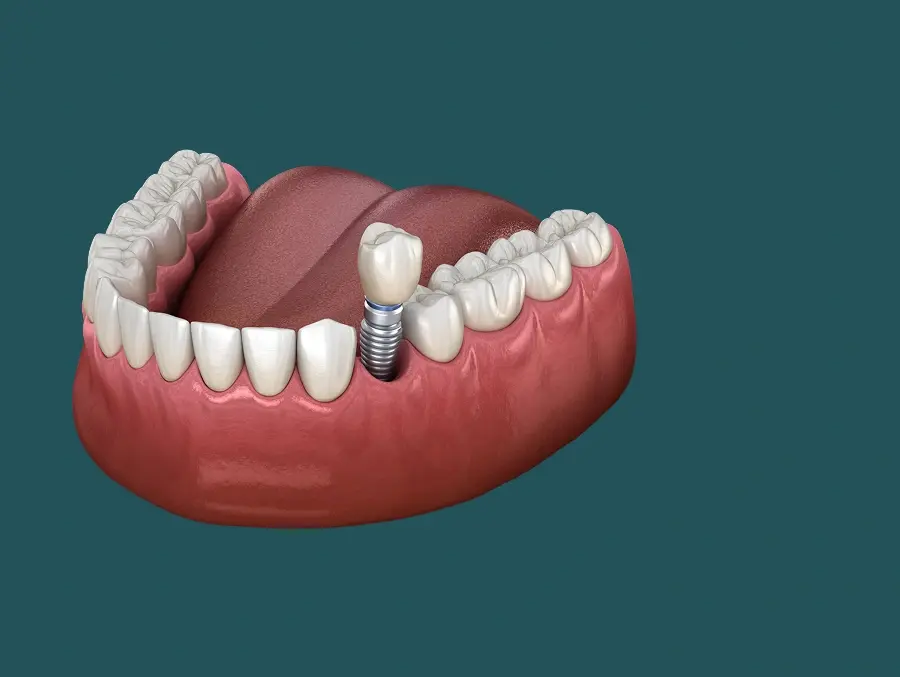
Dental implants combine a durable post in the jaw with a visible restoration, such as a crown, bridge, or implant-retained dentures, designed to restore the look and function of missing teeth. While the implant post provides a long-term foundation, the restoration can experience everyday wear from chewing, biting, or accidental damage.
At Capone Dental in Gate City, VA, our team evaluates damaged or worn restorations and recommends the appropriate approach to help restore comfort, function, and appearance. Whether a restoration can be repaired or needs to be replaced, we help patients understand their options and move forward with care that fits their needs. With personalized attention and a focus on lasting results, our team helps patients maintain the health, stability, and appearance of their implant restorations.
What Types of Implant Issues We Address
Our team provides evaluation and treatment for common dental implant concerns, helping protect the health, stability, and function of your implant and surrounding tissues. We address implant issues such as:
- Loose or unstable implants
- Peri-implantitis and gum inflammation
- Infection around the implant
- Bone loss surrounding the implant
- Pain, swelling, or tenderness
- Bleeding around the implant
- Loose implant crowns, bridges, or dentures
- Difficulty chewing or changes in your bite
- Damaged or fractured implant components
- Problems with implant-supported restorations
These concerns can have different causes, so our dental team evaluates the implant and surrounding tissues to determine the appropriate next step.
Why Timely Implant Restoration Matters
Addressing a damaged implant restoration promptly can help protect the underlying implant and prevent additional complications. A cracked, chipped, or loose crown, bridge, or denture may place uneven pressure on the implant and make biting or chewing uncomfortable. Early attention can help prevent minor damage from worsening and reduce the likelihood of needing more extensive repairs later.
Timely restoration also helps maintain the appearance of your smile while supporting healthy gums around the implant. Treating damage early can reduce irritation and help preserve the comfort, stability, and function of your implant restoration for the long term.
How We Repair Your Implant Restoration
Every implant restoration case begins with a thorough evaluation to identify the damage and determine the right solution. Our team focuses on preserving your implant’s health and stability, from minor repairs to complete replacements.
01.
Reviewing Your Dental History:
We begin by discussing your dental history, current symptoms, and any recent incident that may have caused damage to your restoration.
02.
Comprehensive Oral Exam:
Our team examines the affected implant and restoration closely to assess the extent and type of damage.
03.
Digital X-Rays:
X-rays help determine how far the damage extends and evaluate the health of the surrounding jawbone and implant post.
04.
Detaching the Restoration:
The crown, bridge, or denture is carefully removed from the implant so it can be examined and repaired or replaced.
05.
On-Site Repair for Minor Damage:
If the damage is limited, such as a small chip or crack, composite resin or another suitable material is used to restore the restoration directly in the office.
06.
Custom Replacement for Extensive Damage:
For more significant damage, impressions of your mouth are taken and sent to a dental lab to design a new custom crown, bridge, or denture.
07.
Fitting Your Restoration:
Once your new restoration is ready, you return to the office to have it tried on and secured, with adjustments made as needed for a comfortable fit.
Implant Restoration Care Tips
Good daily habits can help protect your implant restoration and support its long-term function. Brush your teeth twice a day to keep the implant area clean and healthy, and avoid habits such as using your teeth to open plastic packaging, which may chip or crack the restoration.
Wearing a mouthguard during contact sports or activities where your mouth could be impacted can provide added protection. Continue visiting the office twice a year for professional cleanings and oral exams. Consistent care can help maintain your implant restoration and keep it functioning well for many years.
Support Your Implant Health
A damaged crown, bridge, or denture on your dental implant should not be left untreated. At Capone Dental in Gate City, VA, our team can evaluate the damage and help determine the right repair or replacement option for your situation. Reach out to schedule an evaluation and take the next step toward restoring your smile.
Request an AppointmentFrequently Asked Questions About Implant Restoration
Implant restoration is the process of repairing or replacing the visible crown, bridge, or denture attached to a dental implant, using tools and materials designed to address chips, cracks, and other damage affecting the restoration.
Signs include visible chips or cracks, a restoration that feels loose, discomfort while chewing, or noticeable damage following an accident or impact to the mouth. An exam is the best way to confirm what’s needed.
Not always. In many cases, the damage is limited to the crown, bridge, or denture attached to the implant, while the implant post underneath remains stable. X-rays help confirm the condition of both.
Yes. Minor damage, like a small chip or crack, is often repaired directly using composite resin or a similar material, without the need for a completely new restoration.
For more significant damage, impressions of your mouth are taken and sent to a dental lab, which designs and creates a new custom crown, bridge, or denture to replace the damaged one.
Minor repairs can often be completed the same day. More extensive damage requiring a custom replacement typically takes a couple of visits while the new restoration is fabricated.
Yes. Conditions like gingivitis or periodontitis can develop around an implant and may require treatment. If you have implants and notice gum irritation or swelling, it’s worth having it evaluated.
Brushing twice daily, avoiding habits like opening packaging with your teeth, wearing a mouthguard during physical activity, and keeping up with twice-yearly checkups all help protect your restoration long-term.