
Refining Your Smile One Small Detail at a Time
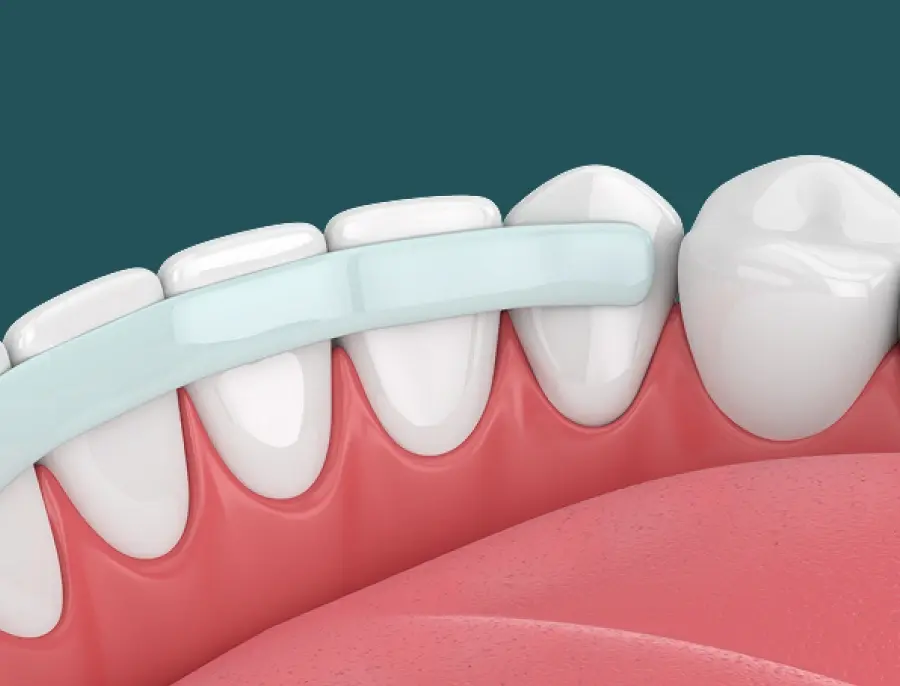
Not every imperfection needs a major procedure to correct. A chipped edge, a small gap between two teeth, or a spot of discoloration can often be resolved in a single appointment through dental bonding. The treatment uses a tooth-colored composite resin, sculpted directly onto the tooth and hardened into place, making it one of the fastest and most conservative cosmetic options available.
At Capone Dental, we use dental bonding to address a wide range of minor concerns, shaping and shading the material to match your natural teeth so the repair blends in seamlessly. Because bonding doesn’t require lab work or multiple visits, most patients leave with a noticeably improved smile the same day they come in.
Benefits of Dental Bonding
Dental bonding offers a practical, effective option for patients looking to make a quick improvement to their smile:
- Completed in a single visit: Unlike veneers or crowns, bonding typically doesn’t require a lab or a second appointment.
- Conservative treatment: Little to no removal of natural tooth structure is needed for most bonding procedures.
- Cost-conscious cosmetic solution: Bonding often addresses similar concerns as more involved treatments at a lower overall cost.
- Versatile repair option: Bonding can correct chips, gaps, discoloration, and minor shape irregularities.
- Natural, custom appearance: The composite resin is shade-matched and sculpted by hand, allowing for a precise, individualized result.
Issues Dental Bonding Can Fix
Dental bonding can address a variety of minor cosmetic and functional concerns, including chipped or cracked teeth, small gaps, discoloration that may not respond to whitening alone, and uneven tooth shape or length. It may also be used to cover exposed tooth roots caused by mild gum recession. Because the composite material can be carefully shaped and matched to the surrounding teeth, bonding can also complement other cosmetic treatments to create a more balanced, uniform, and polished-looking smile.
How the Bonding Process Works
Dental bonding is designed to be efficient without sacrificing the quality of the final result.
01.
Discussing Your Goals:
We’ll talk through what you’d like to improve and confirm that bonding is the right approach for your specific concern.
02.
Selecting the Right Shade:
A composite resin shade is chosen to closely match the color of your surrounding natural teeth.
03.
Preparing the Tooth Surface:
The tooth is lightly roughened and a bonding agent is applied to help the resin adhere securely.
04.
Applying and Shaping the Resin:
The composite material is applied in layers and carefully sculpted to achieve the desired shape and contour.
05.
Curing the Material:
A special light is used to harden each layer of resin as it’s applied, securing it firmly in place.
06.
Polishing for a Natural Finish:
The bonded area is trimmed and polished to blend smoothly with the surrounding tooth surface.
Who Is a Good Candidate for Dental Bonding?
Dental bonding is well suited for patients with relatively minor cosmetic concerns who want a fast, straightforward fix. You may be a good candidate if you have:
- A small chip or crack in a tooth
- Minor gaps or spacing issues between teeth
- A tooth that’s slightly shorter or uneven compared to its neighbors
- Discoloration in a specific area that hasn’t responded to whitening
- Exposed tooth roots from minor gum recession
For more significant damage or larger cosmetic goals, a different treatment like a crown or veneer may be better suited, which we’re happy to discuss during your exam.
Get Noticeable Improvement to Your Smile
If a chip, small gap, or area of discoloration has been affecting how you feel about your smile, dental bonding may offer a simple way to improve its appearance. At Capone Dental in Gate City, VA, we can discuss whether bonding is the right option for your needs and smile goals. Call us at 276-386-6162 to schedule your visit and explore your options.
Schedule a Bonding ConsultationFrequently Asked Questions About Dental Bonding
Most bonding procedures are completed in a single visit, typically within 30 to 60 minutes per tooth, depending on the extent of the repair needed.
Bonding is considered a long-term solution, but it isn’t as permanent as veneers or crowns. The material can wear or chip over time and may eventually need to be touched up or replaced.
Most bonding procedures require little to no anesthesia, since minimal preparation of the tooth is involved. Most patients report the process is comfortable from start to finish.
With proper care, bonding typically lasts several years, often between five and ten, though its lifespan depends on the location of the repair and daily habits like grinding or biting hard objects.
Yes, composite resin is more prone to staining than natural enamel or porcelain. Limiting staining foods and drinks, along with regular cleanings, helps keep bonded areas looking their best.
It can be, particularly for smaller gaps. Bonding adds material to the edges of the teeth to visually close the space without the need for orthodontic treatment.
Very little, if any. Bonding is one of the most conservative cosmetic treatments available, since the composite resin is applied directly to the existing tooth surface.
Yes. Bonding is often combined with treatments like whitening or veneers to help create a more even, cohesive result across your smile.