
Stopping Decay Before It Spreads
A cavity rarely stays small on its own. Once tooth decay sets in, it continues to break down the enamel and, left untreated, can eventually reach the nerve of the tooth, leading to pain, infection, or the need for more extensive treatment. Dental fillings are one of the most common and effective ways to stop that process in its tracks, removing decayed material and restoring the tooth’s shape, strength, and function.
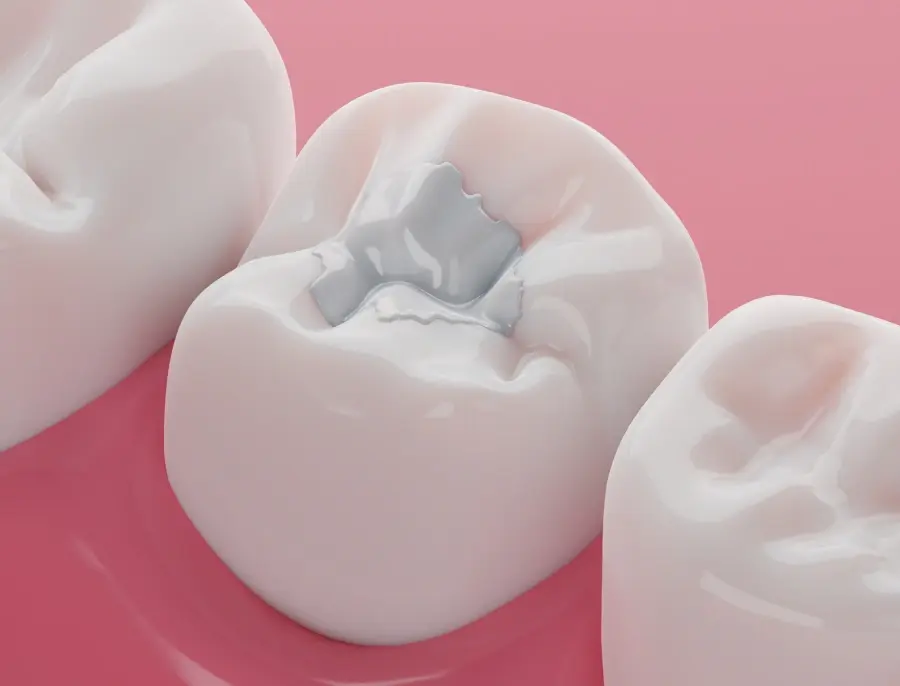
At Capone Dental in Gate City, VA, we use tooth-colored composite fillings that are matched to the shade of your natural teeth, so treatment doesn’t leave behind a noticeable mark. We focus on removing only what’s necessary to treat the decay, preserving as much of your natural tooth structure as possible while restoring it to full function.
Benefits of Tooth-Colored Fillings
Tooth-colored composite fillings are designed to restore areas affected by decay or minor damage while maintaining a natural-looking appearance. The composite material can be matched closely to the shade of your surrounding teeth and bonds directly to the tooth, helping restore its shape and function. This allows the treated area to blend more naturally into your smile.
Composite fillings can also provide a conservative treatment option by allowing more healthy tooth structure to remain when appropriate. They may be used to treat cavities, repair small chips, and address certain minor imperfections. Most composite fillings can be placed and completed in a single visit, making treatment convenient.
Who Needs a Dental Filling?
You may be a candidate for a filling if you’re experiencing any of the following:
- A cavity identified during a routine exam or X-ray
- Tooth sensitivity to hot, cold, or sweet foods
- Visible dark spots, pits, or holes on a tooth’s surface
- A minor chip or crack that hasn’t affected the tooth’s inner structure
- An old, worn, or discolored filling that needs to be replaced
Not every cavity requires the same approach. During your exam, we will conduct a detailed evaluation to understand the extent of the decay and confirm whether a filling is the appropriate treatment or whether a different restoration, like a crown, would serve you better.
Our Approach to Treating Cavity
Filling a cavity is typically a straightforward, single-visit procedure designed to keep you comfortable from start to finish.
01.
Numbing the Area:
A local anesthetic is applied to the tooth and surrounding tissue, so you won’t feel discomfort during treatment.
02.
Removing the Decay:
Decayed and damaged portions of the tooth are carefully removed, leaving healthy tooth structure intact.
03.
Preparing the Tooth:
The area is cleaned and prepared to help the filling material bond securely to the remaining tooth.
04.
Placing the Composite Filling:
The tooth-colored resin is applied in layers and shaped to match the natural contour of your tooth.
05.
Curing and Polishing:
A special light hardens the filling material, and the tooth is polished to a smooth, natural finish.
06.
Checking Your Bite:
Before you leave, we’ll check that your bite feels even and comfortable, adjusting the filling if needed.
Caring for Your New Filling
After your filling is placed, a few simple habits can help protect the restoration and keep the treated tooth comfortable. Following the dentist’s instructions and maintaining good oral hygiene can also support the longevity of your filling.
- Avoid chewing until the anesthetic has worn off to prevent accidentally biting your cheek, tongue, or lip.
- Continue your regular oral hygiene routine to keep the restored tooth and surrounding areas clean.
- Refrain from chewing ice, pens, or other hard objects that could place unnecessary pressure on your filling.
- Contact Capone Dental if your filling feels uneven when biting or if discomfort continues beyond the expected recovery period.
- Regular exams will enable us to monitor your filling and check for signs of wear or changes over time.
Treat Cavities Early Before It’s Too Late
Treating decay early keeps your tooth stronger and your treatment simpler. If you’ve noticed sensitivity, discoloration, or it’s just been a while since your last checkup, now is a good time to schedule an exam. Get in touch with us at 276-386-6162 to book your slot.
Book Your AppointmentFrequently Asked Questions About Dental Fillings
Signs like tooth sensitivity, visible discoloration, or a rough spot on a tooth can indicate decay, but many cavities are only caught with an X-ray during a routine exam. Regular checkups help identify cavities before symptoms appear.
No. Composite fillings are matched to the shade of your natural teeth, so they blend in seamlessly and are typically not visible to others when you smile or talk.
The area is numbed with a local anesthetic before treatment begins, so most patients feel little to no discomfort during the procedure. Mild sensitivity for a day or two afterward is normal and usually fades quickly.
With good oral hygiene and regular checkups, composite fillings can last for many years. Their lifespan depends on factors like the size of the filling, its location, and daily wear from chewing.
Yes. Fillings can wear down, crack, or discolor over time, and replacing an old filling helps prevent decay from developing underneath it. If you notice changes in an existing filling, it’s worth having it evaluated.
Untreated decay continues to spread, potentially reaching the inner pulp of the tooth and causing pain, infection, or the need for more extensive treatment, such as a root canal or extraction.
Many dental insurance plans include coverage for fillings as a basic restorative procedure, though the exact amount depends on your specific plan. Our team can help you understand your coverage before treatment.
Most fillings are completed in a single appointment lasting about 30 to 60 minutes, depending on the size and location of the cavity being treated.