

Tooth decay is a common but preventable dental issue that affects people of all ages. While it often starts subtly, early detection can help prevent serious complications and costly dental procedures. Understanding the first signs of tooth decay allows you to take action before the damage worsens.
Many people do not realize that tooth decay can begin long before severe pain develops. Recognizing the early warning signs and understanding what causes tooth decay can help protect your oral health and reduce the need for more extensive treatment later.
If you notice any of these symptoms, professional dental treatment may be necessary.
Early Signs of Cavities
Cavities develop gradually and may not cause immediate pain. Here are some of the most common signs of tooth decay:
White or Dark Spots on Teeth
One of the earliest indicators of tooth decay is the appearance of white, brown, or black spots on the enamel. These discolorations occur when minerals are lost due to acid attacks from bacteria.
In some cases, these early enamel changes may still be reversible with proper oral hygiene and fluoride treatments.
Tooth Sensitivity
Discomfort or sharp pain when consuming hot, cold, or sweet foods and beverages may signal early decay. Sensitivity occurs when enamel begins to wear down and exposes the dentin beneath the surface.
Bad Breath or an Unpleasant Taste
Persistent bad breath or a bad taste in your mouth despite regular brushing and flossing could indicate bacterial buildup from decaying teeth.
Some patients also ask whether you can smell tooth decay. In advanced cases, the smell of tooth decay may become noticeable due to bacterial growth and trapped food particles inside damaged areas of the tooth.
Visible Pits or Holes
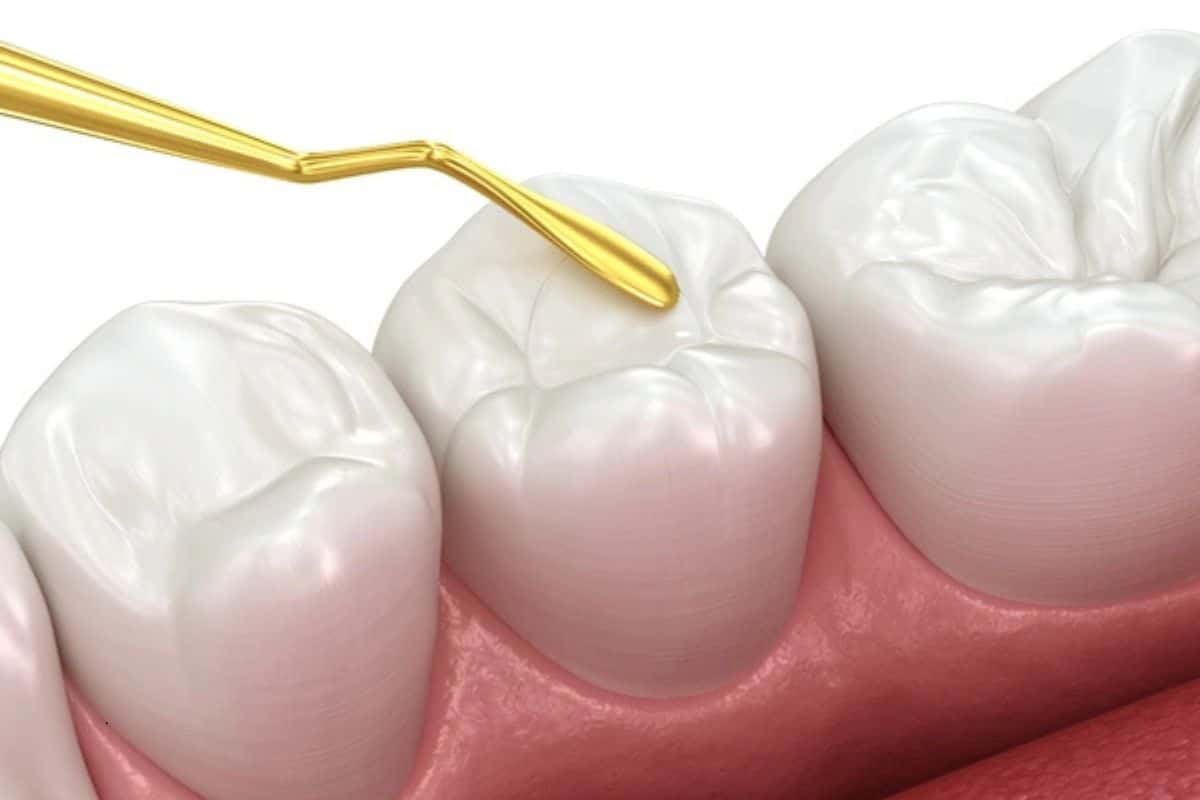
As tooth decay progresses, small holes or pits may develop in the affected tooth. These are clear signs of cavities that typically require prompt tooth decay treatment to prevent further damage.
Pain While Chewing
If you experience discomfort when biting down or chewing, tooth decay may have reached deeper layers of the tooth. This pain may begin mildly but can worsen over time if left untreated.
What Causes Tooth Decay?
Tooth decay develops when plaque bacteria combine with sugars and starches from food to produce acids that weaken tooth enamel. Poor oral hygiene, sugary diets, dry mouth, and inconsistent dental visits can all increase the risk of cavities.
Decay may also occur near the gum tissue. Tooth decay at the gum line is common in areas where plaque buildup is harder to remove and where enamel may naturally be thinner.
Can You Reverse Tooth Decay?
In the earliest stages, it may be possible to reverse minor tooth decay before a cavity fully forms. Fluoride treatments, improved oral hygiene, and dietary changes may help remineralize weakened enamel.
However, once a cavity creates permanent damage or holes in the tooth, professional treatment is usually necessary to restore the tooth structure.
When to See a Dentist
If you notice any of these warning signs, schedule a dental visit as soon as possible. Early treatment is often simpler, less invasive, and more affordable than waiting for the decay to worsen.
Signs your tooth decay needs immediate treatment may include:
- Persistent tooth pain
- Visible holes in the teeth
- Swelling near the gums
- Severe sensitivity
- Pain while chewing
- Ongoing bad breath or decay odor
A simple dental filling can often restore the tooth before the decay progresses into deeper layers that may require root canal therapy or extraction.
Treatment Options for Cavities
Depending on the severity of the decay, your dentist may recommend one of the following treatments:
Fluoride Treatments
In the earliest stages, fluoride can help remineralize enamel and slow or reverse minor decay.
Dental Fillings
If a cavity has formed, a filling is necessary to restore the tooth’s structure and prevent further damage.
Crowns or Root Canals
In advanced cases where decay reaches the tooth’s pulp, more extensive treatment may be required to save the tooth.
Treatment for Decay Near the Gum Line
How to fix tooth decay at the gum line depends on the severity of the damage. Treatment may include fluoride therapy, tooth-colored fillings, improved oral hygiene, or restorative dental procedures to protect the affected area.
Preventing Tooth Decay
Preventing cavities is easier and less costly than treating them. Follow these important oral health habits:
- Brush at least twice a day with fluoride toothpaste
- Floss daily to remove plaque and food particles
- Limit sugary and acidic foods and drinks
- Visit your dentist regularly for cleanings and exams
- Drink plenty of water to support saliva production
Schedule Your Dental Appointment Today
If you’re experiencing early signs of tooth decay, don’t wait until the problem worsens. Dr. Montgomery and the team at our Gate City dental office are here to help.
We specialize in tooth-colored fillings and preventive dental care designed to restore your teeth while maintaining a natural appearance.