
Many patients feel anxious before their first implant appointment. Understanding what actually happens during your dental implant procedure can replace that anxiety with confidence. Our dental team walks every patient through each phase before treatment begins. Knowledge is one of the most powerful tools for a comfortable experience.
Dental implants are one of the most effective ways to replace a missing tooth. They look, feel, and function like natural teeth. The process involves several carefully planned steps spread over a few months. Each stage has a clear purpose and a predictable outcome.
Step One: Your Consultation and Treatment Planning
Every dental implant journey begins with a thorough consultation. Our dental team evaluates your oral health, jawbone density, and overall medical history. We use digital X-rays or 3D imaging to get a precise picture of your bone structure. This information shapes every decision made during your procedure.
We also discuss your goals and expectations during this visit. You will learn exactly what to expect at each stage. If bone grafting is needed, we explain that process too. No detail is left out before we move forward.
During this phase, we confirm that you are a good candidate for implants. Factors like gum health, bite alignment, and bone volume all matter. This planning stage is what makes the rest of the procedure predictable and safe.
What Actually Happens During Your Dental Implant Procedure: The Surgical Phase
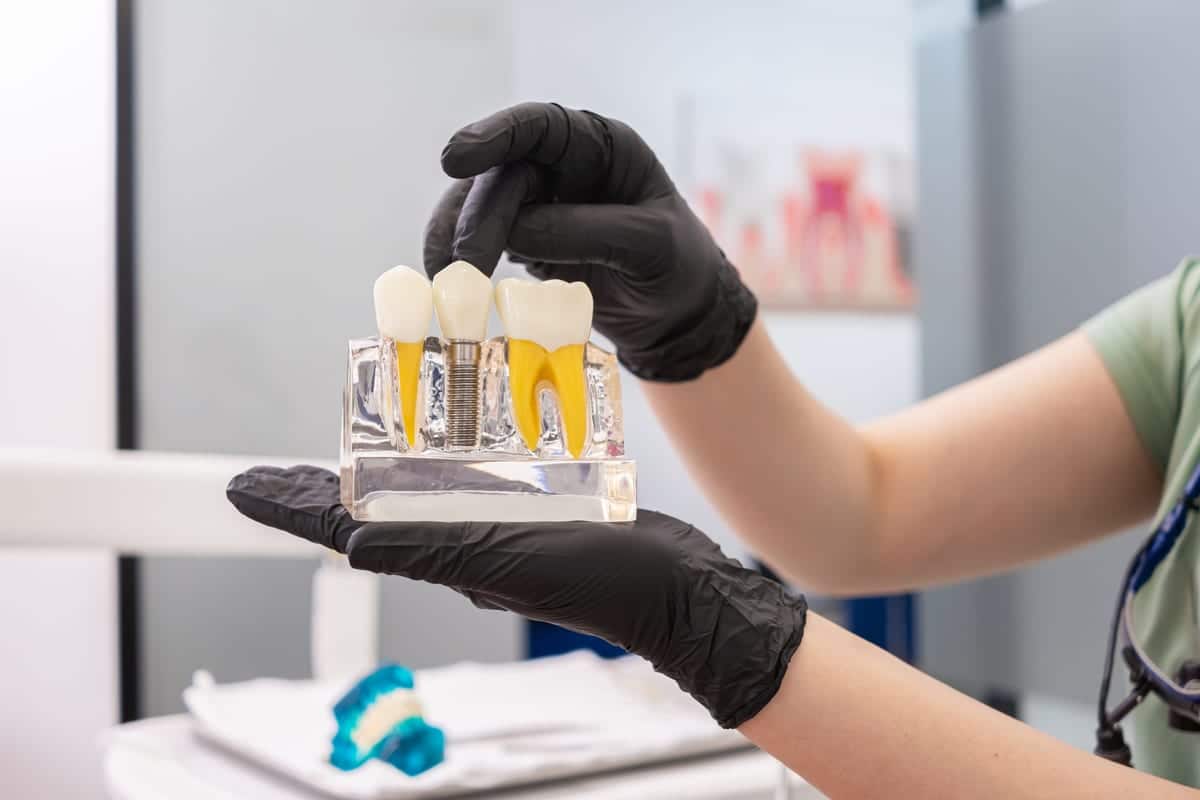
The surgical phase is where the titanium implant post is placed into the jawbone. Our dental team administers local anesthesia to keep you fully comfortable. Most patients are surprised by how little discomfort they feel during the procedure. Sedation options are also available if you experience dental anxiety.
A small incision is made in the gum tissue above the implant site. The dentist then creates a precise channel in the jawbone. The titanium post is carefully inserted into that channel. The gum tissue is gently closed around the post.
The entire surgical appointment typically takes one to two hours. The number of implants being placed can affect that timeframe. You will receive detailed aftercare instructions before you leave the office. Most patients return to light activity within a day or two.
The Healing Period: Osseointegration Explained
After surgery, a critical biological process called osseointegration begins. This is when the jawbone slowly fuses with the titanium implant post. The bond created during this phase gives implants their exceptional strength. It is the reason implants can last a lifetime with proper care.
Osseointegration typically takes three to six months to complete. During this time, the implant site heals from the inside out. You will have follow-up visits so our dental team can monitor your progress. These checkups help catch any concerns early and keep healing on track.
Here is what you can expect during the healing period:
- Mild swelling and tenderness for the first few days
- Soft food diet recommended for one to two weeks
- Avoid smoking and hard foods that stress the implant site
- Gentle brushing around the area to keep it clean
- Regular follow-up appointments to confirm bone integration
Most patients experience very manageable discomfort during this phase. Over-the-counter pain relief is usually enough to stay comfortable. The healing period requires patience, but the long-term result is worth every day.
Placing the Abutment and Your Final Crown
Once osseointegration is confirmed, the next phase begins. Our dental team places a small connector called an abutment onto the implant post. This piece serves as the anchor point for your final restoration. A short healing period follows before the crown is attached.
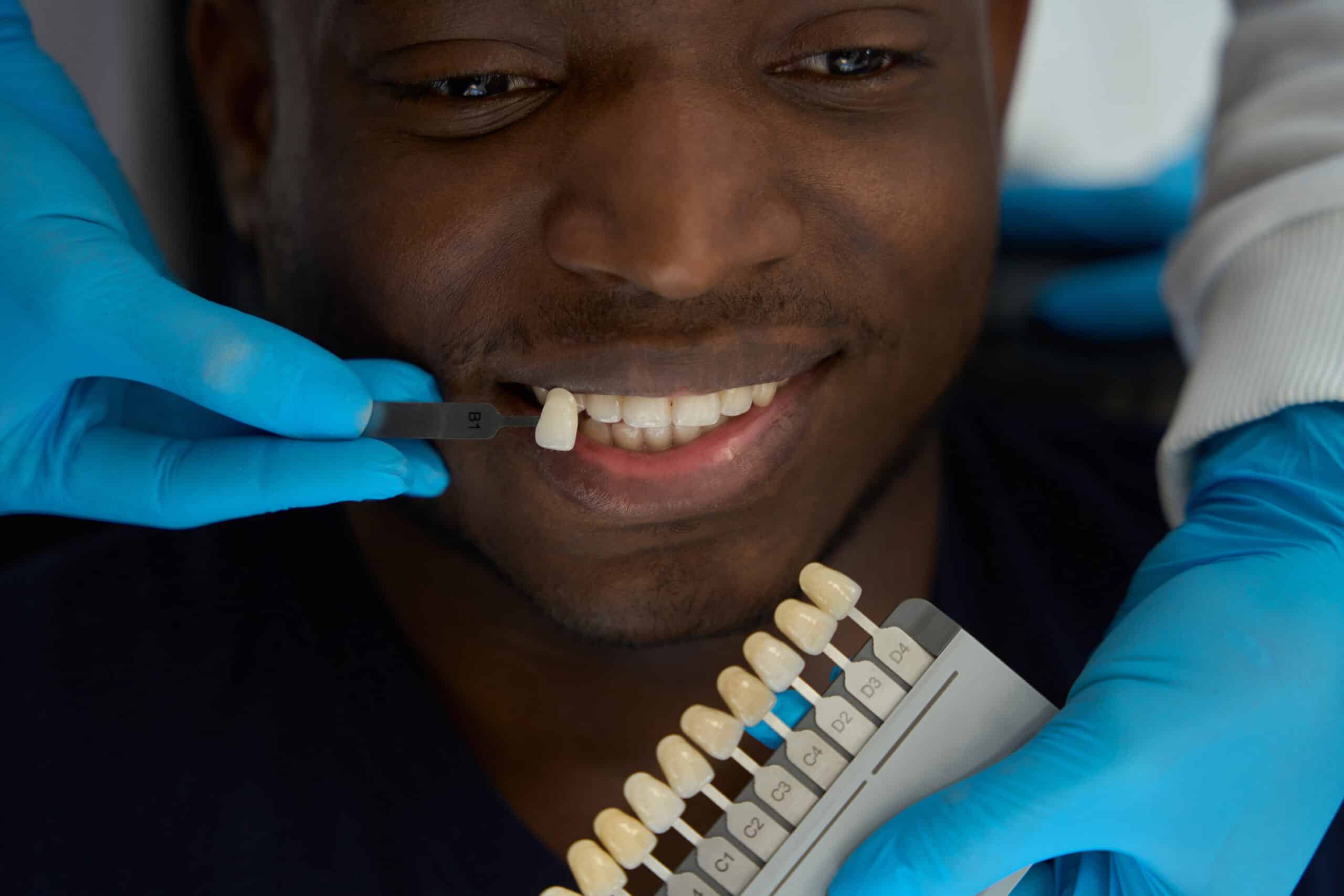
Impressions or digital scans of your teeth are taken at this stage. These measurements ensure your crown fits perfectly within your bite. The crown is custom-made to match the size, shape, and shade of your surrounding teeth. No one will be able to tell which tooth was replaced.
The crown is then securely attached to the abutment. Our dental team checks your bite carefully to make any necessary adjustments. Once everything feels right, your implant is fully complete. You leave with a restored smile that functions like a natural tooth.
Benefits of Choosing Dental Implants Over Other Options
Dental implants offer advantages that other tooth replacement options simply cannot match. They do not rely on neighboring teeth for support. They preserve jawbone by stimulating natural bone tissue. They also feel and function exactly like your original tooth.
Here is a quick comparison of key implant benefits:
- Permanent solution that can last decades with proper care
- No adhesives, removal, or special soaking required
- Maintains jawbone volume and facial structure
- Easy to clean — brush and floss like natural teeth
- Does not affect the health of adjacent teeth
Implants also support long-term oral health. A missing tooth can cause surrounding teeth to shift over time. Bone loss can also occur when a tooth root is absent. An implant prevents both of these complications effectively.
Conclusion: Your Implant Journey Is in Good Hands
Now that you know what actually happens during your dental implant procedure, the process may feel far less intimidating. Each step is carefully designed to protect your comfort and health. Our dental team guides you through every phase with transparency and care. You are never left wondering what comes next.
Dental implants are a well-established, highly successful treatment. Millions of patients have used them to restore their smiles and confidence. With the right team supporting you, the journey from consultation to final crown is manageable and rewarding. Learn More about how we can help you.
Frequently Asked Questions
Is the dental implant procedure painful?
Most patients feel little to no pain during the procedure itself because local anesthesia is used. Some soreness and mild swelling are normal in the days following surgery. Over-the-counter pain relievers are typically enough to manage post-operative discomfort. Our dental team provides detailed aftercare instructions to keep you comfortable throughout healing.
How long does the entire dental implant process take?
The full process from consultation to final crown usually takes between three and nine months. Much of that time is the osseointegration healing phase, not active treatment. The surgical appointment itself typically lasts one to two hours. Your individual timeline will depend on your healing rate and treatment plan.
Who is a good candidate for dental implants?
Most adults in good general health with sufficient jawbone density qualify for dental implants. Non-smokers with healthy gums tend to heal most predictably. Patients with bone loss may need a bone graft before implant placement. Our dental team evaluates every factor during your consultation to determine candidacy.
What happens if I need a bone graft first?
A bone graft adds volume to areas of the jaw where bone has been lost. It is a routine procedure performed before implant placement when needed. The graft material integrates with your existing bone over several months. Once sufficient bone density is established, implant surgery can proceed as planned.
How do I care for my dental implant after it is placed?
Caring for a dental implant is straightforward. Brush twice daily and floss around the implant just as you would a natural tooth. Avoid chewing hard objects or using your teeth as tools. Regular dental checkups allow our team to monitor the implant and keep your smile healthy long-term.