

Cracked teeth can cause pain, discomfort, and compromise your oral health. Understanding the causes, prevention, and maintenance strategies for cracked teeth is crucial in maintaining a healthy smile. In this blog post, we will explore the various factors that contribute to cracked teeth, preventive measures to reduce the risk, and maintenance practices for optimal oral health.
I. Understanding Cracked Teeth
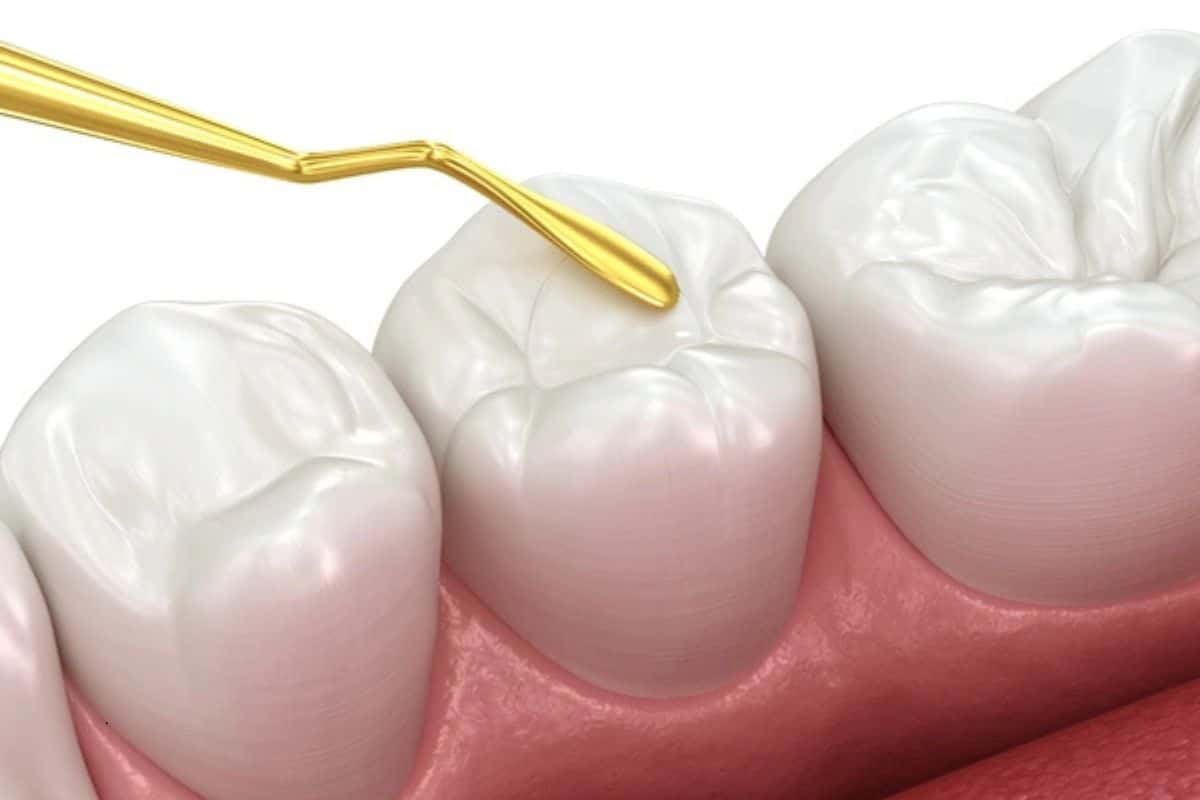
Cracked teeth can occur due to a variety of reasons, such as dental trauma, teeth grinding (bruxism), biting on hard objects, tooth decay, and aging. These cracks can be small, affecting only the outer enamel, or they can extend deep into the tooth, potentially leading to severe pain and infection. Recognizing the signs and symptoms of cracked teeth is essential for timely intervention and treatment.
II. Preventive Measures to Reduce the Risk
1. Regular Dental Check-ups: Routine dental visits enable your dentist to identify and address any early signs of tooth cracks. Regular examinations and professional cleanings can help maintain the strength and integrity of your teeth.
2. Avoid Chewing on Hard Objects: Habits like chewing on ice, pens, or fingernails can place excessive stress on your teeth, increasing the risk of cracks. Avoiding these habits can help prevent unnecessary dental trauma.
3. Wear a Mouthguard: If you engage in activities with a higher risk of dental injury, such as sports or teeth grinding during sleep, wearing a custom-fitted mouthguard can provide a protective barrier and reduce the risk of cracked teeth.
4. Practice Proper Oral Hygiene: Maintaining good oral hygiene habits, including brushing twice a day, flossing daily, and using fluoride toothpaste, can help strengthen your teeth and prevent tooth decay, which can contribute to tooth cracks.
III. Maintenance Practices for Cracked Teeth
1. Treatments for Cracked Teeth: Depending on the severity and location of the crack, treatment options may include dental bonding, dental crowns, root canal therapy, or tooth extraction. Seeking prompt dental care is essential to prevent further damage and preserve the tooth.
2. Dental Nightguards: If you grind or clench your teeth during sleep, your dentist may recommend a custom-made dental nightguard. This oral appliance helps cushion your teeth, reducing the risk of further cracks and damage caused by bruxism.
3. Proper Bite Alignment: In some cases, misaligned teeth or an improper bite can increase the risk of cracked teeth. Orthodontic treatment or bite adjustment procedures may be recommended to ensure proper alignment and reduce stress on the teeth.
4. Follow Dental Recommendations: Your dentist may provide specific recommendations based on your oral health needs. It is important to follow these recommendations, such as avoiding hard or sticky foods, practicing good oral hygiene, and attending regular dental check-ups, to maintain the health and integrity of your teeth.
The Bottom Line
Cracked teeth can pose a threat to your oral health and overall well-being. By understanding the causes, implementing preventive measures, and maintaining proper dental care, you can reduce the risk of cracked teeth and maintain a healthy smile. Regular dental check-ups, avoiding harmful habits, using protective mouthguards, and practicing good oral hygiene are key to preventing cracks. Additionally, following dental recommendations and seeking prompt treatment for cracked teeth are essential for preserving the health and longevity of your smile. Prioritize oral health, and with proper care, you can minimize the risk of cracked teeth and enjoy a beautiful, healthy smile.