
Protect Your Smile with Porcelain Crowns
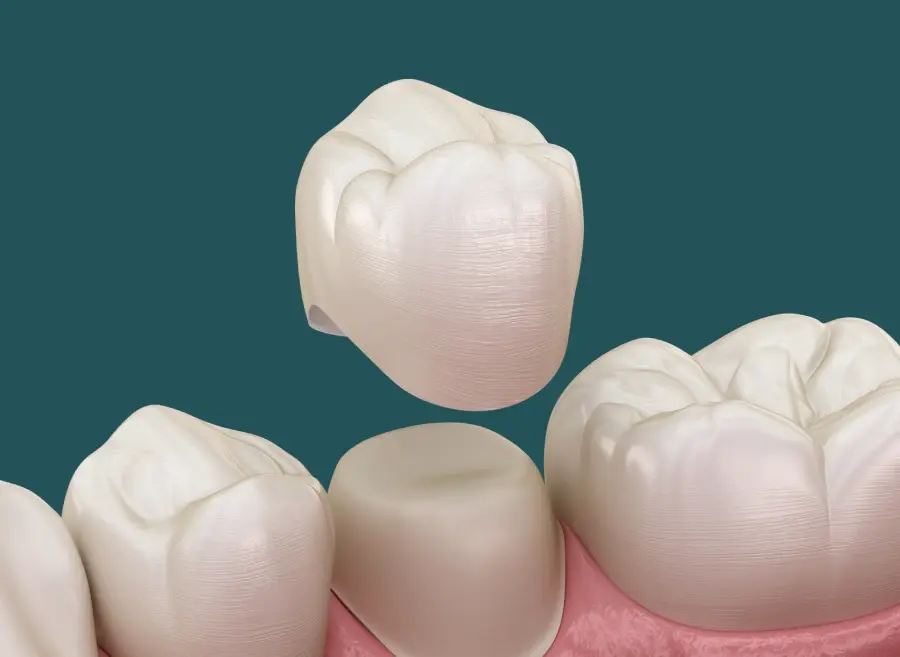
Some dental problems go beyond what a filling can address. Large cavities, cracked teeth, and teeth weakened by previous treatment may need the added coverage and support of a porcelain crown. A porcelain crown fits over the visible portion of the tooth to strengthen its structure, restore function, and improve its appearance.
At Capone Dental in Gate City, VA, porcelain crowns are custom-designed to restore compromised teeth while preserving as much natural tooth structure as possible. Whether you need to protect a weakened tooth or replace a failing restoration, our team can help determine whether a porcelain crown is right for you.
Benefits of Choosing a Porcelain Crown
Porcelain crowns offer a combination of durability, function, and aesthetics, making them a reliable option for restoring damaged or weakened teeth. They can help protect the remaining tooth structure while supporting comfortable everyday biting and chewing.
- Reinforced tooth structure. A crown covers and supports a weakened tooth, helping prevent further cracking or breakage.
- Natural, tooth-colored appearance. Porcelain is shaded to blend with your surrounding teeth, so the restoration doesn’t stand out.
- Durability for everyday use. Crowns are built to withstand the pressure of regular biting and chewing.
- Preserves the natural tooth. In many cases, a crown allows a tooth to be saved rather than extracted.
- Long-term reliability. With proper care, a well-fitted crown can function comfortably for many years.
Who Might Need a Porcelain Crown?
A porcelain crown may be recommended when a tooth needs more protection or restoration than a standard filling can provide. It can restore a tooth with a large cavity, crack, fracture, or extensive damage while providing added strength and stability. Crowns are also commonly used to protect teeth that have undergone root canal therapy. Significant wear, erosion, or a large failing filling may also make a crown an appropriate restorative option.
A crown can also improve the appearance of a severely discolored or misshapen tooth while restoring its structure and function. During your exam, we’ll assess the tooth’s condition and recommend whether a porcelain crown or another treatment is best for your oral health and long-term needs.
Our Porcelain Crowns Process
Getting a porcelain crown typically involves two main visits, spaced a few weeks apart while your custom crown is fabricated. Each step is carefully planned to ensure the restoration fits comfortably and complements your natural smile. Our team will guide you through the process and help you understand what to expect at every stage.
01.
Evaluating the Tooth:
We examine the tooth and take X-rays as needed to confirm a crown is the right treatment and check for any underlying issues.
02.
Preparing the Tooth:
The tooth is reshaped to make room for the crown, removing any decayed or damaged material in the process.
03.
Taking Impressions:
Detailed impressions or digital scans are taken to guide the custom design of your permanent crown.
04.
Placing a Temporary Crown:
A temporary crown is placed to protect the prepared tooth while your permanent restoration is being made.
05.
Fitting Your Permanent Crown:
Once ready, we check your new crown carefully for fit, bite alignment, and shade before permanently bonding it in place.
06.
Final Adjustments:
Any small adjustments are made to ensure your bite feels comfortable and natural once the crown is fully secured.
When a Crown Is the Right Choice
Dental crowns can be the right solution when a tooth needs more protection or structural support than a filling or bonding can provide. After root canal therapy, a crown can help protect a weakened tooth from further damage. Crowns may also be recommended for teeth with large or failing fillings when there is not enough healthy tooth structure remaining to support another filling.
A crown can also restore a fractured tooth when the damage extends beyond what bonding can repair. Crowns may also be used as part of a dental bridge to help replace a missing tooth. Understanding why a crown has been recommended can help you feel more confident about your treatment options.
Protect a Weakened Tooth with Porcelain Crowns
At Capone Dental in Gate City, VA, patients can receive personalized care when they need a porcelain crown to restore a damaged or weakened tooth. Our team is here to help you understand your treatment options and move forward with a restoration designed for strength, function, and a natural-looking appearance. Contact our team today to learn how porcelain crowns can help protect your smile and restore your confidence.
Request an AppointmentFrequently Asked Questions About Porcelain Crowns
With proper care, a porcelain crown typically lasts between ten and fifteen years, and often longer. Good oral hygiene and avoiding excessive strain, like chewing ice, help extend its lifespan.
The tooth is numbed with local anesthetic before preparation begins, so most patients feel little to no discomfort during the procedure. Some sensitivity afterward is normal and usually temporary.
Yes. Porcelain crowns are custom-shaded and shaped to match your surrounding teeth, so the restoration blends in naturally rather than appearing obviously artificial.
Getting a crown typically takes two visits: one to prepare the tooth and place a temporary crown, and a second to fit and permanently bond your custom crown once it’s ready.
Yes, and it’s often recommended. Teeth become more brittle after root canal therapy, and a crown helps protect the tooth from future cracking or breakage.
It’s best to avoid sticky, hard, or chewy foods, and to chew on the opposite side of your mouth when possible, to prevent dislodging the temporary crown before your permanent one is placed.
Yes, “crown” and “cap” are often used interchangeably to describe a restoration that covers the entire visible portion of a tooth to restore its strength and appearance.
A filling is generally used for smaller areas of decay, while a crown is recommended when too much of the natural tooth structure has been lost or weakened to support a filling alone.