

If you’ve recently had oral surgery — or you’re planning a procedure — one question probably tops your list. How long will the results actually last? Understanding what determines the lifespan of your oral surgery results in Gate City is more empowering than most patients realize. The answer depends on several factors, and many of them are within your control. Let’s break down what really shapes your outcome over the long term.
What Factors Determine How Long Your Oral Surgery Results Last in Gate City?
Every oral surgery procedure is different. A tooth extraction heals differently than bone grafting or a surgical root canal. That said, a few universal factors affect nearly every type of outcome.
First, the quality of your initial procedure matters enormously. Skilled, careful technique minimizes trauma to surrounding tissue. Less trauma means faster, cleaner healing. It also means fewer complications that could shorten the lifespan of your results.
Second, your overall health plays a major role. Conditions like diabetes or immune disorders can slow healing significantly. Certain medications also interfere with tissue repair. Being honest with Dr. Jeff Montgomery about your health history gives him the information he needs to support your recovery fully.
Third, the type of procedure determines realistic expectations. Some outcomes — like a healed extraction site — are permanent by nature. Others, like soft tissue surgery, may require follow-up care over time. Knowing the difference helps you plan appropriately.
Habits That Shorten the Lifespan of Your Results
Many patients are surprised to learn that post-surgery habits matter just as much as the surgery itself. What you do in the days, weeks, and months afterward can either protect or undermine your results.
These habits are known to shorten oral surgery outcomes:
- Smoking or using tobacco products, which restrict blood flow and slow healing
- Skipping follow-up appointments with your dentist
- Poor oral hygiene that leads to infection at the surgical site
- Grinding or clenching your teeth without a protective night guard
- Ignoring post-op instructions, such as diet restrictions or wound care
- Delaying treatment for nearby dental problems that could affect the surgical area
Smoking is particularly damaging. It reduces oxygen to healing tissue and raises infection risk dramatically. Patients who smoke after oral surgery often experience slower recovery and less durable results. Quitting — even temporarily — makes a measurable difference.
Grinding is another major issue. Excessive force from clenching can destabilize surgical outcomes, especially when bone or tissue is still maturing. A custom night guard from Dr. Montgomery can protect your investment while you sleep.
What Extends and Protects Your Oral Surgery Outcome
Good news: there is a lot you can do to extend the life of your results. Small, consistent actions add up to major long-term gains.
Here are the most effective ways to protect your outcome:
- Brush twice daily with a soft-bristled toothbrush
- Floss carefully around surgical sites once healing is complete
- Attend every scheduled follow-up visit at Jeff Montgomery DDS
- Eat a balanced diet rich in vitamins C and D to support tissue repair
- Stay hydrated — dry mouth slows healing and increases infection risk
- Wear a night guard if you’re prone to grinding
- Avoid hard, crunchy, or sticky foods until fully cleared by Dr. Montgomery
Vitamin C supports collagen formation, which is essential for soft tissue healing. Vitamin D helps with bone density and repair. Both are often overlooked but clinically important after surgical procedures.
Follow-up visits also allow Dr. Montgomery to catch any complications early. Small issues — like minor infection or improper healing — are far easier to resolve when identified quickly. Waiting until something hurts often means more complex treatment later.
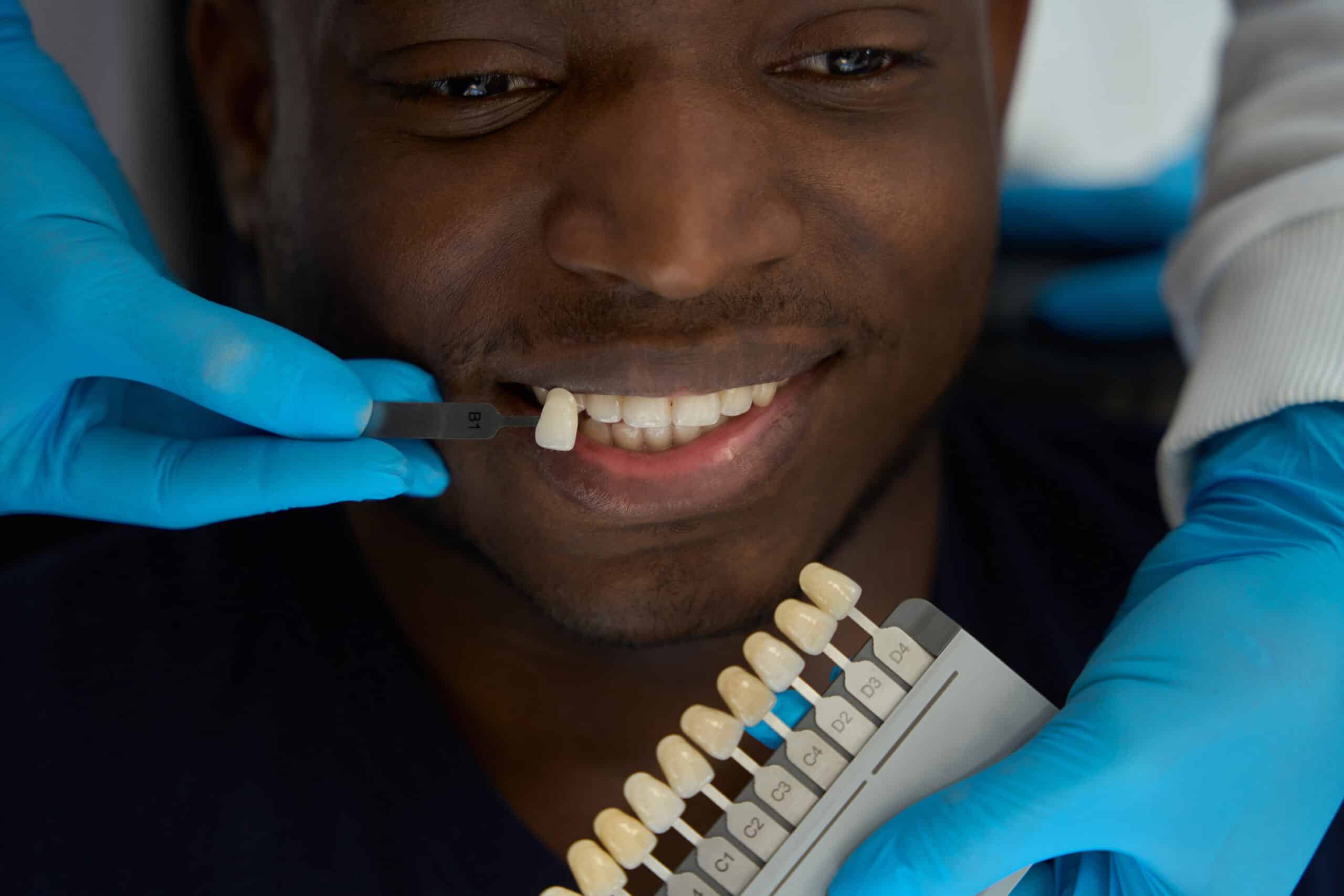
Patients interested in improving the appearance of their smile after healing may also want to explore Cosmetic Dentistry Gate City options once recovery is complete. Restoring function and enhancing aesthetics often go hand in hand.
What Ongoing Maintenance Looks Like After Oral Surgery
Oral surgery is not a one-and-done event. Long-term maintenance is what separates patients who enjoy lasting results from those who experience setbacks. Understanding this from the start sets realistic expectations.
In the short term — typically the first two weeks — your focus is on protecting the surgical site. Soft foods, gentle rinsing, and avoiding strenuous activity are standard guidelines. Dr. Montgomery’s team will give you specific instructions tailored to your procedure.
In the medium term — weeks two through eight — healing continues beneath the surface. Bone and tissue remodel slowly. You may feel fine long before the area has fully matured. Returning to normal habits too quickly can disrupt this process.
Long-term maintenance means committing to regular dental checkups. Twice-yearly visits allow Dr. Montgomery to monitor healed surgical sites alongside your overall oral health. These visits also create opportunities to address any cosmetic concerns that arise after healing, including Dental Veneers Gate City if adjacent teeth were affected by the procedure.
Some surgical outcomes — particularly those involving bone grafts — may require periodic X-rays to confirm bone density over time. This is routine and should not alarm you. It simply reflects the careful, thorough approach that leads to durable results.
When to Call Your Dentist After Oral Surgery
Even with excellent care, complications can occasionally arise. Knowing when to seek help is an important part of protecting your results.
Contact Jeff Montgomery DDS promptly if you notice any of the following after surgery:
- Swelling that worsens after the first 48 hours instead of improving
- Fever above 101°F
- Persistent or increasing pain that isn’t managed by prescribed medication
- Unusual discharge or odor from the surgical site
- Numbness that continues beyond the expected timeline
These signs don’t always indicate a serious problem. But they do warrant a professional evaluation. Early intervention consistently leads to better outcomes.
Conclusion: Protecting Your Results Starts With the Right Support
Your oral surgery results are a genuine investment — in your health, your comfort, and your confidence. The longevity of that investment depends on the quality of your procedure, your daily habits, and your commitment to follow-up care. Gate City patients who stay engaged with their dental team consistently enjoy more durable, long-lasting outcomes. Dr. Jeff Montgomery and his team are here to guide you through every stage — from preparation through long-term maintenance. Book Now to schedule your appointment with our team.
Frequently Asked Questions
How long does it take to fully heal after oral surgery?
Most patients feel comfortable within one to two weeks after common procedures like extractions. However, full tissue and bone healing can take several months. Dr. Montgomery will give you a personalized healing timeline based on your specific procedure and overall health.
Can poor oral hygiene really affect how long my oral surgery results last?
Absolutely. Bacteria from plaque and food debris can infect a healing surgical site. This can cause pain, slow recovery, and compromise the long-term outcome. Gentle but consistent oral hygiene — following your dentist’s instructions — is one of the best things you can do after surgery.
Does smoking really make that big a difference after oral surgery?
Yes — significantly. Smoking reduces blood flow to healing tissue and introduces bacteria and toxins directly to the surgical site. It dramatically increases the risk of complications like dry socket after extractions. Dentists consistently recommend avoiding tobacco for at least 72 hours after surgery, with longer abstinence producing better outcomes.
When can I return to normal eating after oral surgery?
It depends on the type of procedure. Most patients start with soft foods for several days and gradually reintroduce their normal diet as comfort allows. Dr. Montgomery will advise you specifically on which foods to avoid and for how long, based on your surgical site and healing progress.
How often should I see my dentist after oral surgery to protect my results?
At minimum, attend all scheduled follow-up appointments your dentist recommends after surgery. Beyond that, twice-yearly routine dental checkups are standard for most adults. These visits allow Dr. Montgomery to monitor your healed site and address any changes before they become serious problems.