
Small gaps between teeth are common, and for many people, they’re more than just a cosmetic concern. Gaps can affect confidence, change how a smile looks in photos, and sometimes even impact speech or bite alignment. If you’ve ever wondered whether veneers are a reliable solution, you’re not alone.
Veneers are a popular option within cosmetic dentistry, but they’re not right for everyone or every situation. This article explains how veneers work, when they’re most effective for closing gaps, and what factors matter before moving forward—especially if you’re exploring cosmetic dentistry in Gate City.
What Causes Gaps Between Teeth?
Gaps, also called diastemas, can develop for several reasons. Some people are born with extra space between teeth, while others notice gaps forming over time. Common causes include:
- Natural tooth size or jaw shape
- Missing teeth that allow others to shift
- Gum disease that weakens tooth support
- Habits such as thumb sucking in childhood
Understanding the cause of the gap helps determine the best treatment approach. In some cases, orthodontics may be recommended, while in others, veneers can be a practical solution.
What Are Dental Veneers?
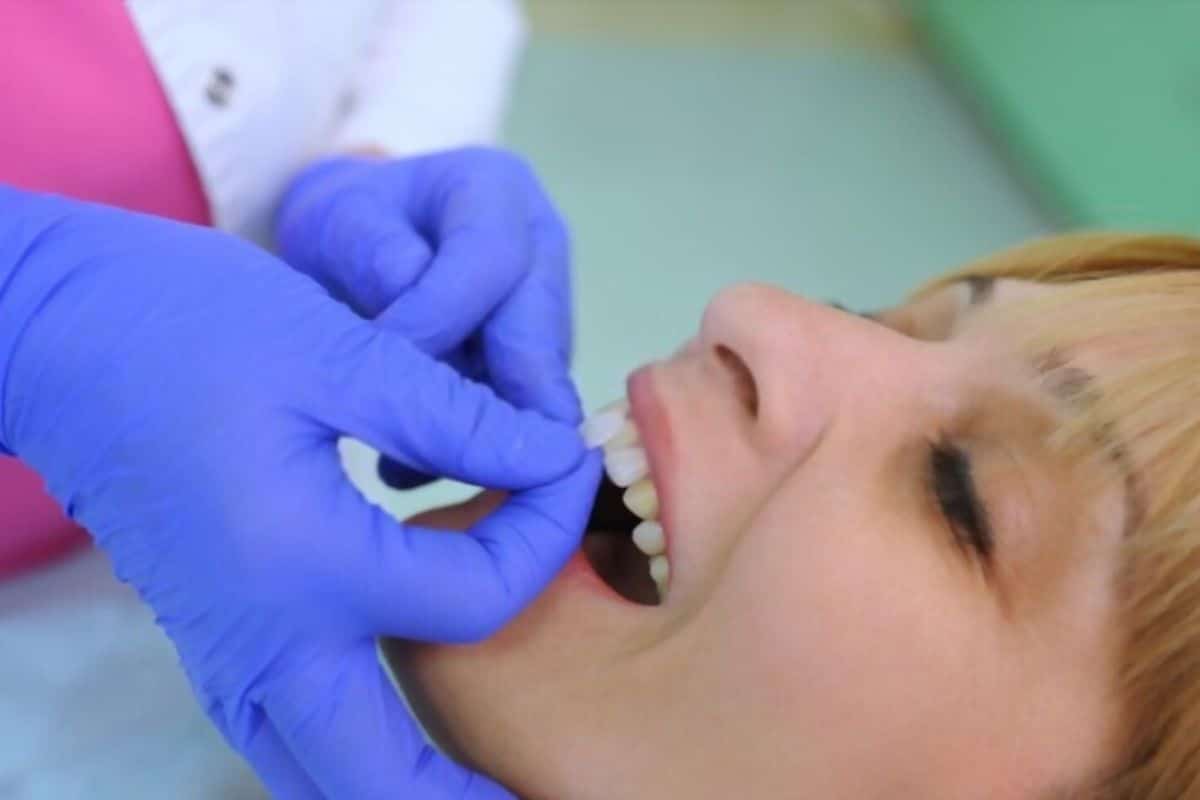
Veneers are thin, custom-made shells designed to cover the front surface of teeth. They’re typically made from porcelain or composite materials and bonded securely to natural teeth.
In cosmetic dentistry, veneers are often used to improve the appearance of teeth affected by discoloration, chips, uneven shapes, or spacing issues. When carefully planned, they can create the look of a more balanced, uniform smile.
How Veneers Can Close Gaps
Veneers don’t physically move teeth like braces or aligners. Instead, they reshape the visible surface of each tooth. By slightly widening the appearance of one or more teeth, veneers can close small to moderate gaps in a natural-looking way.
For example, if there’s extra space between the front teeth, veneers can be designed to bring those teeth closer together visually, without altering the underlying tooth position.
This approach works best when gaps are minor and the surrounding teeth are otherwise healthy.
When Veneers Are a Good Option
Veneers may be a good choice if:
- The gaps are small or moderate
- Teeth are healthy and free from active decay
- You want faster results than orthodontic treatment
- You’re also interested in improving tooth color or shape
Patients considering cosmetic dentistry gate city residents often ask about timelines. Veneers typically require fewer visits than braces, making them appealing for those seeking noticeable changes in a shorter period.
When Veneers May Not Be Ideal
While veneers are versatile, they aren’t the right solution for every gap. They may not be recommended if:
- Gaps are large or related to bite alignment issues
- Gum disease is present and untreated
- Teeth grinding or clenching is severe
- There’s significant tooth crowding or misalignment
In these cases, other treatments such as orthodontics or restorative care may be more appropriate before cosmetic options are considered.
The Veneer Process: What to Expect
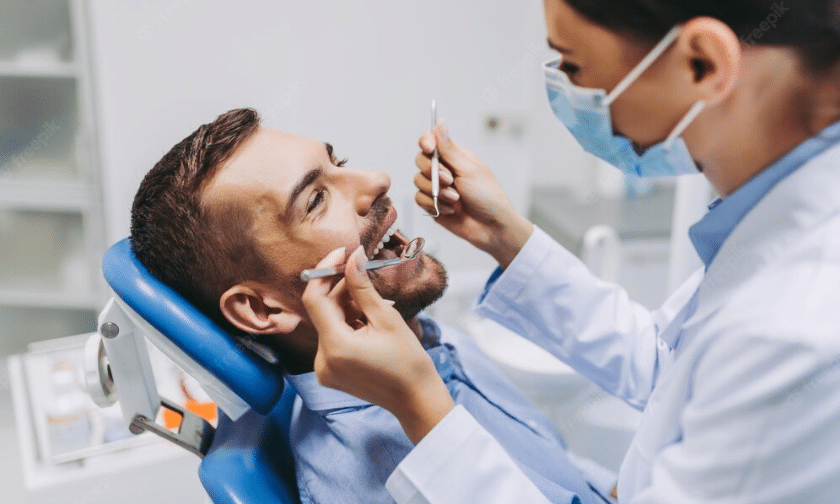
The process usually begins with a consultation and detailed evaluation. This includes discussing goals, examining teeth and gums, and determining whether veneers are suitable.
If veneers are recommended, the general steps include:
- Preparation: A small amount of enamel may be removed to ensure a natural fit.
- Impressions: Custom molds are taken to design veneers that match your smile.
- Placement: Once ready, veneers are bonded securely and adjusted for comfort and appearance.
The goal is a result that looks natural—not oversized or artificial—while closing gaps smoothly.
How Long Do Veneers Last?
With proper care, veneers can last many years. Maintaining good oral hygiene, avoiding excessive force on teeth, and attending regular dental checkups all play a role in longevity.
Although veneers are durable, they’re not indestructible. Habits like biting hard objects or grinding teeth can shorten their lifespan.
Veneers vs. Other Gap-Closing Options
Patients exploring cosmetic dentistry often compare veneers with other treatments:
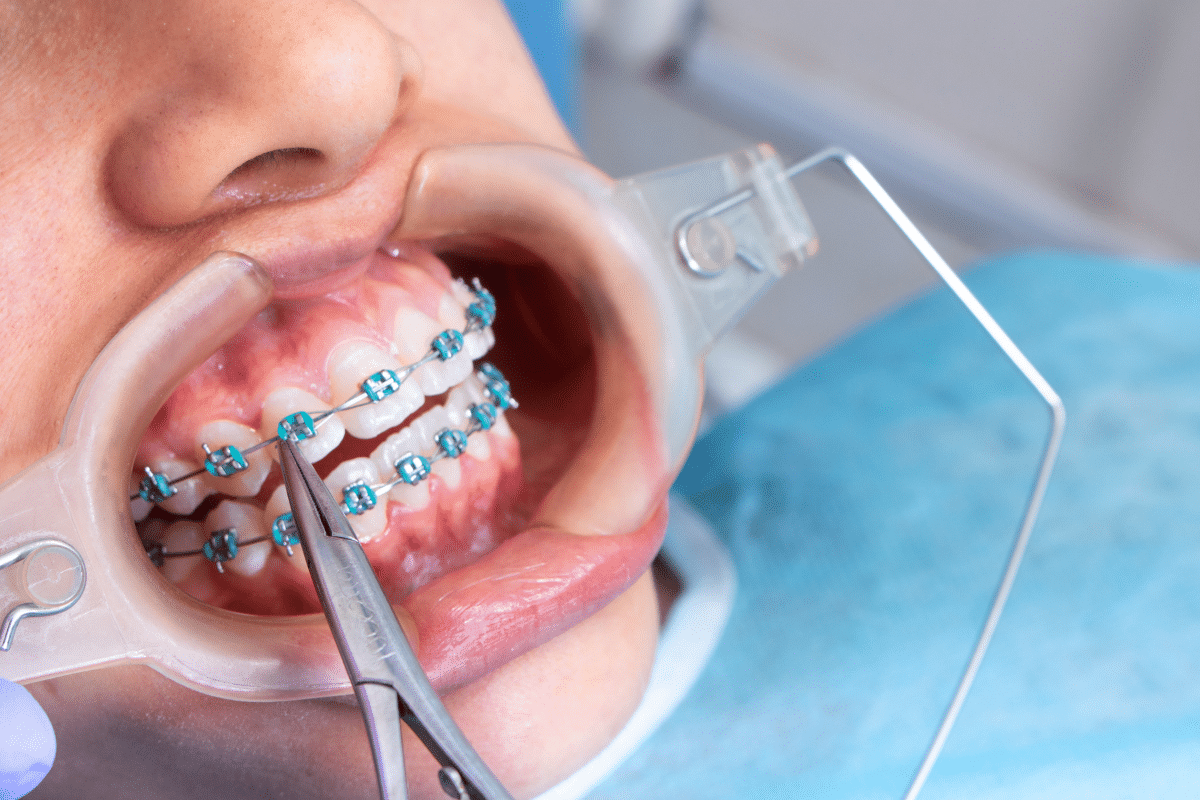
- Braces or clear aligners: Move teeth into proper position; ideal for larger gaps
- Dental bonding: Less invasive but may not last as long
- Crowns: Used when teeth need structural reinforcement
Each option has benefits and limitations. A personalized evaluation helps determine which approach aligns best with both oral health and aesthetic goals.
Conclusion
Veneers can be an effective way to close gaps in teeth, particularly when spacing is mild and teeth are otherwise healthy. They offer a way to enhance symmetry, improve confidence, and refine a smile without long-term orthodontic treatment.
That said, veneers aren’t a one-size-fits-all solution. The best outcomes come from understanding the cause of the gap and choosing a treatment that supports both appearance and long-term dental health.
If you’re considering options for closing gaps in your smile, a professional evaluation can help clarify whether veneers are the right choice. Jeff Montgomery DDS in Gate City, VA offers personalized guidance to help patients explore cosmetic dentistry solutions that fit their goals and oral health needs.