

Dental bonding is a popular cosmetic dentistry treatment that enhances your smile by repairing chipped, stained, or misaligned teeth. However, improper care and certain everyday habits can reduce its lifespan, leading to costly repairs. If you’ve invested in dental bonding, it’s essential to know what can damage it and how to maintain it properly.
Common Habits That Damage Bonded Teeth
Biting Hard Objects: One of the most common habits that damages bonded teeth is biting on hard objects, such as ice, pens, or fingernails. Unlike natural enamel, the composite resin used in dental bonding is more susceptible to chipping or cracking under excessive pressure. To protect your bonded teeth, avoid chewing on hard objects and be mindful of what you put in your mouth.
Poor Oral Hygiene: Maintaining proper oral hygiene is crucial for dental bonding. Neglecting regular brushing and flossing can lead to plaque buildup, which can discolor or weaken bonded teeth. Use a soft-bristled toothbrush and non-abrasive toothpaste to keep your teeth clean without wearing down the composite resin.
Consuming Staining Foods and Drinks: Protecting dental bonding requires avoiding highly pigmented foods and beverages, such as coffee, tea, red wine, and berries. Unlike natural enamel, bonded teeth are more porous and can absorb stains over time. If you cannot give up your morning coffee, consider using a straw and rinsing your mouth with water afterward.
Smoking and Tobacco Use: Smoking is not only harmful to your overall health but also a major cause of stained dental bonding. The nicotine and tar in cigarettes can discolor the composite material, making your bonded teeth appear yellow or brown. If you want your bonding to last and maintain a bright smile, quitting smoking is the best solution.
Using Teeth as Tools: Many people use their teeth to open packages, cut tape, or hold objects, but this can severely damage dental bonding. The excessive force from these actions can weaken or break the bonding material. Always use scissors or the appropriate tools instead of your teeth.
Teeth Grinding (Bruxism): Grinding or clenching your teeth, whether during the day or while sleeping, can damage dental bonding. The pressure from bruxism wears down the composite resin and may even cause fractures. If you grind your teeth, consult a cosmetic dentist about obtaining a custom night guard to prevent further damage.
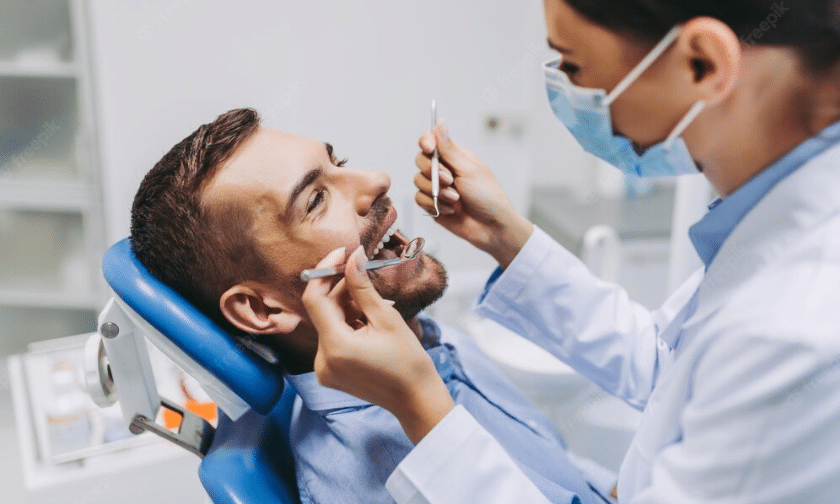
Skipping Dental Check-Ups: Regular dental visits are crucial for dental bonding maintenance. Your dentist will examine your bonded teeth, check for wear and tear, and polish them to keep them looking their best. Skipping check-ups can lead to unnoticed damage, which may require more extensive repairs in the future. Schedule routine visits every six months.
How to Care for Dental Bonding
- Brush twice a day with a non-abrasive toothpaste and a soft-bristled toothbrush.
- Floss daily to prevent plaque buildup.
- Avoid biting hard foods like nuts and ice.
- Rinse your mouth with water after consuming staining beverages.
- Wear a mouthguard if you grind your teeth at night.
Restore and Maintain Your Dental Bonding with Expert Care
If you are in or around Gate City and need professional care for your bonded teeth, our cosmetic dentists specialize in dental bonding maintenance and repairs. Whether you need a touch-up, stain removal, or a full replacement, we provide personalized treatment plans to restore your smile. Contact us today to keep your dental bonding in top condition.