

Tobacco use remains a significant public health challenge worldwide. Despite widespread awareness of its risks, millions of people continue to use tobacco products, putting their health and the health of others at risk. Understanding the dangers associated with tobacco use is essential for making informed decisions and promoting healthier lifestyles.
The Scope of Tobacco Use
Global Statistics
According to the World Health Organization (WHO), tobacco kills more than 8 million people each year. Of these deaths, over 7 million are due to direct tobacco use, while around 1.2 million are the result of non-smokers being exposed to secondhand smoke.
Tobacco Use in the United States
In the United States, the Centers for Disease Control and Prevention (CDC) reports that nearly 34.1 million adults smoke cigarettes, and about 16 million live with a smoking-related disease. Tobacco use is the leading cause of preventable disease, disability, and death in the country.
Health Risks of Tobacco Use
Respiratory Diseases
Tobacco smoke contains over 7,000 chemicals, many of which are toxic and can damage the lungs. Chronic obstructive pulmonary disease (COPD), which includes chronic bronchitis and emphysema, is strongly linked to smoking. According to the American Lung Association, smoking causes 85-90% of COPD cases.
Cardiovascular Diseases
Smoking significantly increases the risk of heart disease and stroke. The CDC states that smoking causes 1 in 4 deaths from cardiovascular disease. Even occasional smoking or exposure to secondhand smoke can damage blood vessels, increase blood pressure, and raise the risk of heart attack.
Cancer
Tobacco use is a leading cause of cancer. The National Cancer Institute highlights that smoking is responsible for approximately 30% of all cancer deaths in the United States. It is most commonly associated with lung cancer but also increases the risk of cancers of the mouth, throat, esophagus, bladder, kidney, liver, pancreas, stomach, cervix, and colon.
Oral Health Problems
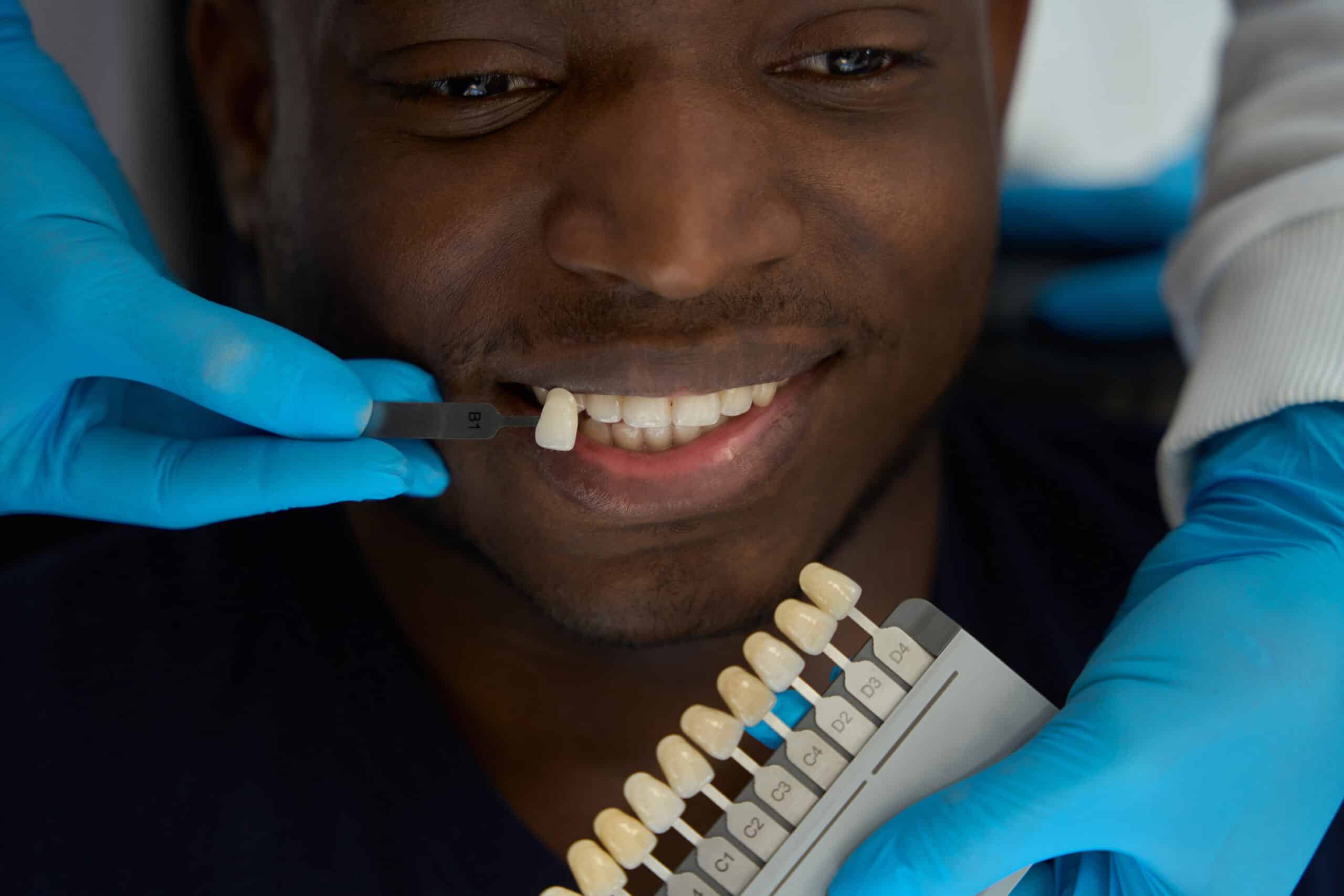
Tobacco use has devastating effects on oral health. According to the American Dental Association (ADA), smoking can lead to gum disease, tooth loss, and oral cancer. Smokers are six times more likely than non-smokers to develop gum disease, which can cause tooth loss and other serious health problems.
The Impact of Secondhand Smoke
Health Effects on Non-Smokers
Secondhand smoke, also known as passive smoke or environmental tobacco smoke, is harmful to non-smokers. The CDC states that secondhand smoke exposure causes an estimated 41,000 deaths among non-smoking adults each year in the United States. It increases the risk of heart disease, lung cancer, and stroke in non-smokers.
Effects on Children
Children are particularly vulnerable to the effects of secondhand smoke. According to the CDC, secondhand smoke exposure increases the risk of sudden infant death syndrome (SIDS), respiratory infections, ear infections, and severe asthma attacks in children. It can also hinder lung development in young children.
The Financial Costs of Tobacco Use
Healthcare Costs
The financial burden of tobacco use is staggering. The CDC estimates that smoking-related illnesses in the United States cost more than $300 billion each year, including nearly $170 billion for direct medical care for adults and more than $156 billion in lost productivity.
Personal Financial Impact
For individuals, the cost of tobacco products adds up quickly. A pack-a-day smoker in the United States can spend more than $2,000 annually on cigarettes alone. This financial strain is often compounded by the costs of treating smoking-related health issues.
Quitting Tobacco: Benefits and Resources
Health Benefits of Quitting
The benefits of quitting tobacco use are almost immediate. Within minutes of quitting, heart rate and blood pressure drop. Within a few weeks, lung function improves, and within a year, the risk of heart disease is cut in half. Long-term benefits include reduced risks of cancer, respiratory diseases, and stroke.
Resources for Quitting
Quitting tobacco can be challenging, but numerous resources are available to help. The CDC and the American Lung Association offer support through quitlines, online resources, and local programs. Medications and counseling can also significantly increase the chances of quitting successfully.
Conclusion
The dangers of using tobacco products are clear and far-reaching, affecting nearly every aspect of health and well-being. From respiratory and cardiovascular diseases to cancer and oral health problems, the risks are numerous and severe. Secondhand smoke also poses a significant threat to non-smokers, particularly children. Understanding these dangers is crucial for making informed decisions and promoting a healthier, tobacco-free lifestyle. Quitting tobacco use not only improves personal health but also reduces financial burdens and protects the health of others. If you or someone you know is struggling with tobacco addiction, seek out the many available resources to support the journey to a healthier life.