
Introduction
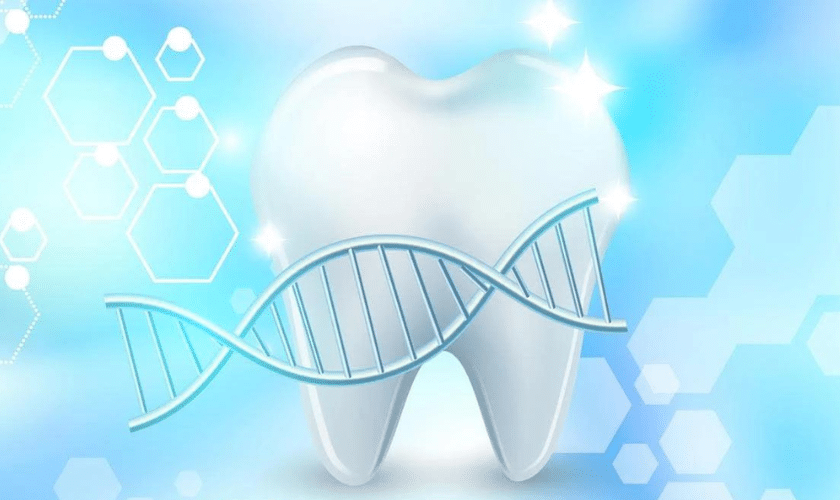
The intricate dance of genetics shapes not only our physical attributes but also plays a significant role in determining our oral health. Many people wonder why they keep getting cavities even when they brush and floss regularly. In some cases, genetics may influence tooth enamel strength, saliva production, and susceptibility to gum disease and tooth decay.
From cavity risk to inherited oral conditions, the role of genetics in dental health is a fascinating exploration that helps explain why some individuals are naturally more prone to dental problems than others. While oral hygiene habits and preventive dental care remain essential, understanding genetic factors can help patients take a more proactive approach to maintaining healthy teeth and gums.
1. Genetic Influence on Tooth Structure
Our tooth structure is inherently linked to our genetic makeup. The thickness of enamel, the arrangement of teeth, and even the likelihood of developing conditions like crowded teeth or malocclusions can be influenced by genetics.
Weak enamel may increase the risk of tooth decay, tooth sensitivity, and cavities over time, even in people who maintain good oral hygiene habits. Genetics can also affect how teeth develop and respond to wear and tear throughout life.
2. Susceptibility to Cavities
The genetic lottery also extends to our susceptibility to cavities. Some individuals may have a genetic predisposition that makes them more prone to tooth decay, emphasizing the importance of personalized oral care routines.
People often ask, “Why do I keep getting cavities when I take care of my teeth?” In many cases, inherited factors such as enamel quality, oral bacteria response, and saliva composition may contribute to recurring cavities.
Although genetics can influence cavity risk, preventive dental care, fluoride treatments, and routine dental cleanings can help reduce the likelihood of serious tooth decay.
3. Gum Disease and Genetic Factors
The risk of developing gum disease is not exempt from the reach of genetics. Certain genetic variations can increase susceptibility to gum inflammation and periodontal conditions, underlining the need for tailored preventive measures.
Family history may also play a role in gum deterioration and chronic gingivitis risk. Patients with inherited susceptibility to gum disease may benefit from more frequent dental checkups and personalized oral hygiene routines.
4. Saliva Composition and Genetic Markers
Even the composition of saliva, a crucial component of oral health, is influenced by genetics. Variations in genetic markers can impact saliva production, pH levels, and the ability to fight off harmful bacteria.
Since saliva helps protect teeth from decay, lower saliva production may increase the risk of cavities, dry mouth, and bad breath. Maintaining proper hydration and oral hygiene habits becomes especially important for individuals with reduced saliva flow.
5. Taste Preferences and Oral Health
Believe it or not, our genetic makeup also influences our taste preferences, including a preference for sugary foods. This can indirectly affect dental health, as excessive sugar consumption may contribute to tooth decay and cavities if not managed appropriately.
Combined with inherited cavity risk factors, poor dietary habits can further increase the likelihood of enamel erosion and dental problems over time.
6. Inherited Oral Conditions
Some individuals inherit specific oral conditions from their parents, such as amelogenesis imperfecta or dentinogenesis imperfecta, which affect the development and structure of teeth.
These inherited conditions may increase tooth decay risk and contribute to long-term oral health challenges if left untreated. Early diagnosis and preventive dental care can help manage symptoms and protect overall oral health.
7. Genetics and Orthodontic Challenges
The alignment of teeth, or misalignment in some cases, can also be traced back to genetic factors. Crowded teeth may create areas where plaque and bacteria accumulate more easily, increasing cavity and gum disease risk.
Recognizing these genetic influences aids orthodontists in crafting personalized treatment plans for effective solutions while supporting long-term oral health.
8. Tailored Preventive Strategies
Acknowledging the role of genetics in dental health allows for the development of more tailored preventive strategies. Routine check-ups, professional dental cleanings, fluoride treatments, and personalized oral hygiene routines become essential components of maintaining optimal oral health.
Preventive care may help reduce the likelihood of cavities, gingivitis, and tooth decay progression, even in individuals with inherited dental risk factors.
9. Future Trends in Genetic Dentistry
The field of genetic dentistry is advancing rapidly, paving the way for personalized treatment plans based on an individual’s genetic profile.
Future advancements may help dentists identify patients at higher risk for tooth decay, gum disease, enamel deterioration, and other oral health conditions before serious dental problems develop.
10. Empowering Patients Through Genetic Insights
Understanding the role of genetics in dental health empowers individuals to take proactive steps toward maintaining a healthy smile.
While genetics may influence oral health risks, proper brushing, flossing, routine dental visits, and healthy eating habits remain essential for preventing cavities and maintaining strong teeth.
Frequently Asked Questions
Can Bad Teeth Be Inherited?
Yes, certain dental traits can be inherited through genetics. Some people may naturally have weaker enamel, crowded teeth, or a higher risk of gum disease and cavities. However, daily oral hygiene habits and preventive dental care still play a major role in maintaining healthy teeth.
Are Cavities Hereditary?
Genetics may increase susceptibility to cavities by affecting enamel strength, saliva production, and oral bacteria response. While cavities themselves are not directly inherited, some people may be naturally more prone to tooth decay than others.
Why Do I Keep Getting Cavities Even After Brushing?
Some individuals continue developing cavities despite brushing and flossing regularly because genetic factors can influence tooth enamel quality and saliva composition. Diet, oral hygiene habits, and routine dental visits also affect cavity risk.
Can Genetics Affect Gum Disease Risk?
Yes, genetics may influence how the body responds to bacteria and inflammation in the gums. Individuals with a family history of gum disease may have a higher risk of developing gingivitis or periodontal disease over time.
Can You Prevent Tooth Decay if It Runs in Your Family?
Even if you have a genetic predisposition to cavities or gum disease, preventive dental care can significantly reduce your risk. Regular dental cleanings, fluoride treatments, healthy eating habits, and consistent brushing and flossing help protect long-term oral health.
Tips for Protecting Your Oral Health
While genetics may influence dental health, maintaining strong oral hygiene habits is still essential. Helpful preventive strategies include:
- Brushing twice daily with fluoride toothpaste
- Flossing every day
- Limiting sugary foods and drinks
- Scheduling regular dental cleanings
- Treating cavities and gum disease early
- Drinking plenty of water to support saliva production
- Following personalized dental recommendations
Taking proactive steps can help reduce tooth decay risk and support healthier teeth and gums over time.
Conclusion: Decoding the Genetic Blueprint of Your Smile
In unraveling the role of genetics in dental health, we discover that our smiles carry a unique genetic blueprint. Genetics may influence cavity risk, gum disease susceptibility, enamel strength, tooth alignment, saliva composition, and overall oral health. These inherited traits can help explain why some people experience recurring cavities or other dental concerns even when they follow good oral hygiene habits.
However, genetics alone does not determine the future of your smile. Preventive dental care, healthy eating habits, routine dental cleanings, fluoride treatments, and consistent brushing and flossing all play a major role in reducing tooth decay and protecting long-term oral health. Early detection and personalized dental care strategies can help patients better manage inherited dental risks before they become more serious problems.
As research in genetic dentistry continues to evolve, dentists may be able to identify oral health risks earlier and create more personalized treatment plans based on an individual’s genetic profile. Understanding the connection between genetics and dental health empowers patients to take a proactive approach to preventing cavities, maintaining healthy gums, and preserving strong teeth for years to come.